


It doesn’t always look like relapse.
Sometimes, it just looks like silence.
No more urgent texts to your sponsor. No more crisis-mode nights. No more white-knuckling your way through cravings. On paper, you’re doing great. But inside?
Inside, it’s flat. The passion’s gone. The spark that lit up your early recovery feels distant. And when you close your eyes at night, what hits isn’t gratitude or joy—it’s this nagging sense that you’re surviving… not thriving.
I’ve worked with dozens of long-term alumni in this exact space. People who didn’t “go off the rails” but who quietly drifted from the center of their recovery. And I’ve seen firsthand the strength it takes to say:
“I think I need to go back.”
This blog is for you—if you’ve been thinking that, even quietly. This is about revisiting residential treatment not because you’ve failed, but because you’re ready for something deeper.
That Emotionally Flat Feeling Has a Name
It’s not in the DSM. But if you’ve been sober for a while, you probably know exactly what I’m talking about.
You might call it:
- Recovery fatigue
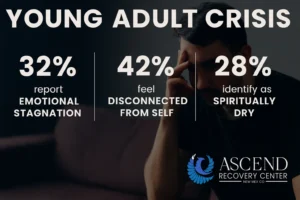
- Spiritual dryness
- Emotional stagnation
- Feeling “meh” for too long
- Or just… disconnected from who you were when this started
It’s the feeling that hits when you’ve built a life around being “stable” but lost your connection to yourself. You’re not in crisis. You’re just deeply unsure what comes next.
That’s not failure. That’s a transition.
Alumni Who Re-Enter Residential Care Aren’t Starting Over
Let’s get this myth out of the way: Going back to a residential treatment program in Albuquerque, NM doesn’t mean you’re resetting the clock. You’re not repeating the same work.
Here’s what often shifts in a return:
- You’re no longer in survival mode. This round isn’t about stopping the bleeding. It’s about strengthening the heart.
- You’re bringing deeper insight. You’ve lived with your tools—and now you know which ones still fit, and which don’t.
- You’re asking better questions. It’s no longer, “How do I get clean?” It’s “Who am I now?” and “How do I stay emotionally whole?”
The second time around, the work is less about stabilization and more about expansion. And yes—it can feel intimidating to come back. But in my experience? It’s also one of the most powerful moves an alum can make.
What Actually Happens in a Second Round of Residential
At Ascend, we’ve welcomed back alumni who’ve been sober for years—but who recognized they needed space to reset. Here’s what the experience often includes:
- Updated clinical assessments based on who you are now
- Focused work on purpose, identity, and emotional fulfillment
- Trauma integration and legacy processing—how your past shows up in new ways
- Creative therapies to help reconnect to joy, meaning, and self-expression
- Advanced relapse prevention, not because you’re in danger, but because you respect your edge
Some alumni use the time to reconnect with their spiritual practices. Others explore grief they never had time to feel during early recovery. Some need help navigating new stages of life—parenthood, divorce, career shifts.
No matter what brings you back, the environment meets you with maturity, not judgment.
Why Coming Back Isn’t Regression—It’s Progress
There’s this quiet expectation in the recovery world: if you’re doing well, you should never “need” that level of care again.
But here’s what I’ve learned from the alumni who return:
They’re the ones most in touch with their intuition.
They don’t wait for collapse. They come back before burnout becomes numbness, before disconnection turns into a silent relapse, before life gets too far off course.
That’s not weakness. That’s wisdom.
“I didn’t relapse. I plateaued. And I didn’t want to stay stuck there for another year.”
– Ascend Alumni, 2024
“The first time saved my life. The second time helped me get it back.”
– Returned Client, Santa Fe
Signs It Might Be Time to Re-Engage with Residential Care
You don’t need a crisis to come back. But you might be feeling:
- A low-grade numbness that hasn’t lifted in months
- Loss of interest in your sober supports
- Difficulty accessing emotion—everything feels “fine” but nothing feels alive
- A sense of growing apart from your recovery identity
- A creeping edge: gambling more, isolating, fantasizing about escape—even if you’re not acting on it
These are not signs of failure. These are alerts. Your system is saying, “Let’s go deeper.”
What Returning Alumni Have in Common
Across the board, returning alumni tend to share a few things:
- They’re brave enough to go against pride. It’s hard to say “I think I need help again.” But they do it anyway.
- They care about their future. They’re not just trying to stay sober—they’re trying to feel whole again.
- They’re aware of nuance. Recovery isn’t black and white anymore. They’re doing complex emotional work, not just symptom control.
These are the people who remind us: recovery isn’t one mountain you climb. It’s a landscape you learn to live in.
Can You Still Come Back If It’s Been Years?
Yes.
One of the most powerful things about our work at Ascend is that we don’t put expiration dates on relationships. Whether you left last year or ten years ago, your growth is still valid. And if you’re closer to another city, we also offer care through our residential treatment program in Las Cruces, NM and residential treatment program in Rio Rancho, NM.
You might not be the same person who walked through our doors the first time. That’s the point.
We’re not trying to bring back the old you. We’re here to meet the next version of you—and help you bring them fully online.
FAQs for Long-Term Alumni Considering a Return to Residential
Do I have to start over?
No. Your prior experience is honored. We build on what’s working and create a new treatment plan based on where you are now—not who you were then.
What if I’m still sober—do I even qualify?
Absolutely. Sobriety doesn’t mean you’re done healing. Many alumni return for emotional reconnection, burnout recovery, spiritual recalibration, or to prevent backsliding.
Will people think I failed?
No one who understands real recovery will think that. The people who judge you aren’t your audience. The ones who matter will respect your courage—and may even follow your lead.
Can I choose how long I stay?
In many cases, yes. We’ll help you determine an ideal length of stay, but returning alumni often work with shorter, intensive resets or targeted therapeutic arcs. It’s flexible—and collaborative.
Is it weird to come back to the same facility?
Not at all. Many clients find it grounding. That said, we offer residential programs in Santa Fe and other regions if a fresh setting feels more supportive.
Call (888)533-9334 to learn more about our Residential Treatment Program services in Albuquerque, Near Albuquerque, NM.
You’re not going backward. You’re refining. Re-centering. Reclaiming.
Let’s begin again—with clarity, not crisis.
